 MemeReply
Meme template · 2 text boxes
Laughing Lizard meme
The Laughing Lizard: "hhhehehe." A sneaky, mischievous laugh.
Where it comes from
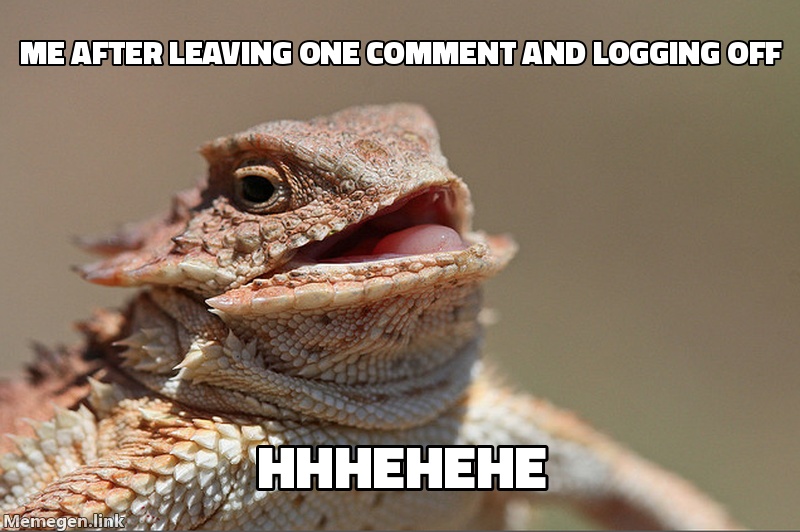
The Laughing Lizard is a close-up of a lizard with its mouth open in a wide, uneven grin, captioned with some version of "hhhehehe." The laugh is not a word from a film. It is the sound the letters make, a little private, a little guilty, the laugh of someone who has already left the scene. Know Your Meme files it as Laughing Lizard. The animal is not winking at a moral. It is pleased with a small piece of mischief and it does not intend to file a report.
Two boxes. The first is the mischief, told briefly and preferably in the first person. The second is the laugh itself, "hhhehehe" or a close spelling. The stock render often leaves a short setup above and the laugh below, and the catalog example is just the laugh, which works when the post is already the setup. If you replace the laugh with a second sentence of explanation, the grin becomes a mascot for a paragraph and the sound that made the meme disappears. Keep the laugh. Let it be spelled a little wrong. The wrongness is the breathing.
The lizard is delighted, not warm. The delight is at getting away with something. A kind laugh about a friend's good news is a different animal, and Doge will host it. This grin has already done the thing.
How people use it
Use the lizard when you are confessing a tiny, harmless crime against a system, a group chat, or your own schedule, and you want credit for the confession without accepting a lecture. You left one comment and logged off. You ate the last biscuit and replaced the tin. You scheduled the email and closed the laptop. The first line is the deed. The second line is the exit. People understand that the laugh means you will not be taking questions.
It stops being funny when the deed has a victim who is not in on it. "hhhehehe" under a prank that embarrassed someone in public is a confession that you enjoyed their embarrassment, and the grin will not launder that. Keep the stakes at biscuit level, or at the level of your own unread messages. Institutions can be the victim. A coworker who has a name should not be.
Write the deed as a completed act, not a plan. The lizard has already laughed, so the thing has already happened. "About to email the whole company" is future tense and the mouth is past tense. "Emailed the wrong thread and closed the app" matches the mouth. Then the laugh, and nothing after the laugh. A postscript turns you back into a person who can be asked why. The format declines to be asked why.
Spell the laugh however it sounds in your head, as long as it is clearly a laugh and not a word. "hhhehehe" is the house spelling. Do not translate it to "lol." The letters are doing a mouth.
When to reply with it
- Getting away with something
- Pranks
- Plotting quietly
Example captions
- Me after leaving one comment and logging off
- hhhehehe
- hhhehehe
- Me after leaving one comment and logging off
- hhhehehe
The deed on top, already finished. The bottom line is the laugh, not an explanation of the laugh.
- Ate the last biscuit
- hhhehehe
Biscuit-scale mischief. The grin is an exit. Do not add a defense underneath it.
- Scheduled the reply and closed the laptop
- hehehe
A completed act. Future tense fights the mouth, which has already done the thing.
- Replaced the empty tin
- hhhehehe
The laugh can stay in the house spelling. Translating it to lol turns the lizard into a chat window.
Each line goes in one text box, in order. In the editor, AI suggests captions written for the post you are replying to, and you can change every word.
The blank template
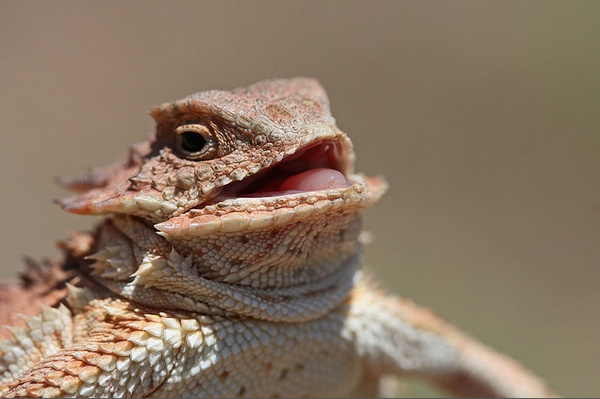
Where it comes from: knowyourmeme.com. Template images can carry their own rights; see template rights.