 MemeReply
Meme template · 2 text boxes
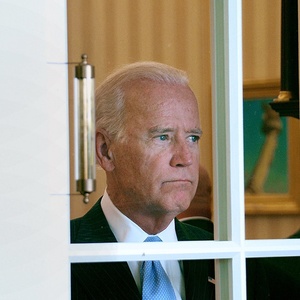
Hide the Pain Harold meme
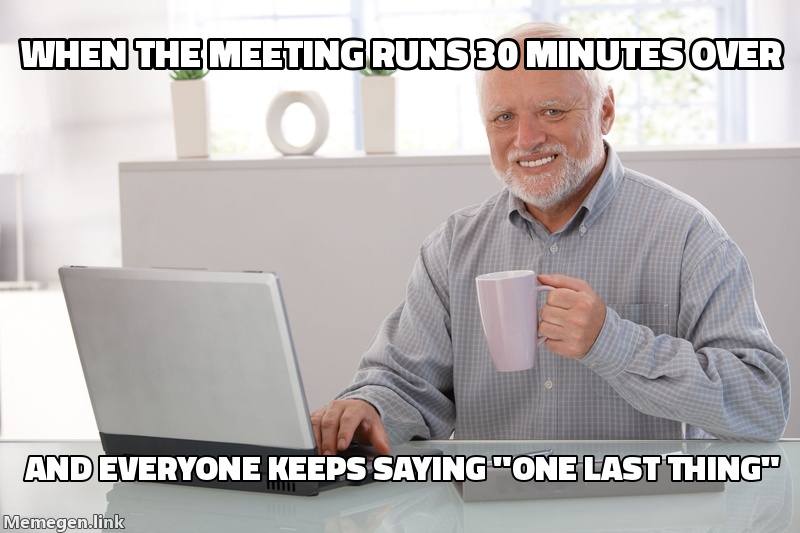
Hide the Pain Harold, a stock-photo grandpa smiling through obvious discomfort. Pretending everything is okay.
Where it comes from
Hide the Pain Harold is András Arató, a Hungarian electrical engineer whose stock photographs escaped the catalogs. He smiles in them, and the smile does not reach a place that reads as comfort. The eyes look like they have already been at the party too long. The photos were ordinary licensing images until people started using the face as the portrait of a person who has decided to be polite about a bad time. Arató has spoken publicly about the meme since, so the man in the picture is not an anonymous model and not a fictional character. He is a real person who knows what the internet did with his face.
The template is two lines, top and bottom, over that smile. There is no second panel and no rejected alternative. Both lines together are the situation he is smiling through. The stock example, "when the boss sees / your meme tab," is a single moment broken in half so each half fits a line. You can also write a cause on top and the performance on the bottom: the meeting ran long, and everyone said "one last thing." The smile is doing the hiding. The text is what is being hidden, or the scene in which the hiding happens.
Because it is a real person's face used far outside the original stock-photo context, the joke should stay on situations, not on him. You are borrowing an expression the way people borrow a reaction image. You are not inventing a biography, a politics, or a punchline about his life.
How people use it
Reply with Harold when a post is performing cheerfulness and the cheerfulness is the funny part. A teammate writes "great question!" under a question that derailed the review. A friend posts a photo from a wedding they described, in private, as a hostage situation. The smile lets you show the public face. The caption lets you show the hour they are actually having. It is gentler than a template that points and laughs. Harold is enduring, not accusing.
It fits your own bad day if you are willing to be the one smiling. "When the deploy finishes / and the only alert left is the one you added" is a self-own. It fits worse as a weapon against someone who is actually distressed and asking for help. The stock-photo smile plus a cruel caption is just cruelty with a familiar face. The format's natural habitat is inconvenience, awkwardness, and professional courtesy, not someone's worst week.
Split one scene across the two lines rather than telling two scenes. Top is the setting, bottom is the detail that makes the smile heroic or pathetic. Keep the bottom line from explaining the meme. "Pretending to be fine" is redundant. The face is that sentence. Use the words for the specific thing he is pretending about: the extra thirty minutes, the uncle's toast, the calendar hold titled quick sync.
If you only have a single grimace and no scene, a one-line reaction image is enough. Harold pays off when the reader can imagine him keeping the smile through the second line.
When to reply with it
- Smiling through a bad day
- Awkward family dinners
- Work you can't escape
Example captions
- When the meeting runs 30 minutes over
- and everyone keeps saying "one last thing"
- when the boss sees
- your meme tab
- When the meeting runs 30 minutes over
- and everyone keeps saying "one last thing"
One scene, broken in half. The smile is the courtesy. The second line is the part he is being courteous about.
- When the boss sees
- your meme tab
The classic split. Top is the entrance, bottom is the evidence. Do not add a third joke about his feelings.
- Customer says they love the new flow
- The flow they are describing was a bug
The top line is the compliment you have to receive. The bottom line is why the smile hurts.
- Family photo
- Someone just said say cheese for the fifth time
A setting, then the small fact that explains the particular smile. He is still at the party.
Each line goes in one text box, in order. In the editor, AI suggests captions written for the post you are replying to, and you can change every word.
The blank template

Where it comes from: knowyourmeme.com. Template images can carry their own rights; see template rights.